

Caregiver burnout rarely appears in one dramatic moment. It can begin with a missed meal, a week of poor sleep, one canceled medical appointment, and the quiet assumption that there is nobody else who can help. Over time, a caregiver may feel exhausted, irritable, disconnected, and unable to recover between responsibilities. These warning signs deserve attention before a family reaches a breaking point.
Caregiver burnout is a state of physical, emotional, or mental exhaustion associated with sustained caregiving demands and insufficient recovery or support. It is not a diagnosis that should replace clinical evaluation. Persistent mood changes, sleep problems, chest symptoms, or other health concerns warrant appropriate medical attention.
Caregiver stress versus caregiver burnout
Stress may feel like having too much to do. Burnout can feel like having too little energy left to do it. Many caregivers experience both. A person may love a parent or spouse deeply and still feel resentment, sadness, numbness, or frustration. Those emotions do not cancel out commitment or compassion; they are signals worth understanding.
Family caregiving also involves invisible work: watching for health changes, remembering instructions, managing bills, answering calls, arranging transportation, and anticipating what might go wrong. The mental load can remain high even when the caregiver is not physically providing hands-on assistance.
Common warning signs of caregiver burnout
- Feeling exhausted even after a night of sleep or finding it difficult to rest.
- Becoming unusually irritable, anxious, hopeless, or emotionally detached.
- Withdrawing from friends, work, or activities that once felt meaningful.
- Experiencing more headaches, aches, appetite changes, or sleep disruption.
- Missing personal appointments or neglecting one’s own medications and health needs.
- Feeling trapped, overwhelmed by decisions, or unable to ask for help.
- Making more mistakes with schedules, medications, or other responsibilities.
These signs can overlap with depression, anxiety, sleep disorders, and other medical conditions. A healthcare professional can help determine what is happening and which supports are appropriate. If someone is in immediate danger or experiencing suicidal thoughts in the United States, call 911 for immediate danger or call/text 988 for crisis support.
Why caregiver burnout happens
Burnout is not simply a problem of personal resilience. It can reflect a care plan that places too many tasks on too few people. Long or unpredictable hours, behavioral changes associated with dementia, financial strain, family disagreement, complex medical systems, and lack of affordable respite all increase pressure. A caregiver who cannot step away for two hours cannot solve the problem through positive thinking alone.
Caregivers sometimes delay asking for help because a loved one prefers only their assistance, because siblings disagree, or because professional services seem unaffordable. Those concerns are real. The answer is to break down what is needed, identify realistic sources of help, and distinguish what is urgent from what can wait.
A practical five-step plan to reduce caregiver overload
1. Identify the tasks that are actually consuming your week
Keep a seven-day care log. Note hands-on care, medication reminders, phone calls, transportation, household work, and overnight interruptions. Estimate time spent and identify what requires your personal involvement versus what someone else could safely do. This inventory turns a vague sense of overload into a workable plan.
2. Delegate concrete tasks—not general responsibility
Instead of asking a relative to “help more,” request a standing Tuesday grocery delivery, one ride to an appointment, or a Saturday afternoon visit. Assign one person to coordinate family updates, which may eliminate dozens of repetitive messages. When relatives live far away, they may still arrange refills, manage paperwork with appropriate authorization, or pay for a defined service.
3. Build respite into the schedule
Respite can involve trusted family, community volunteers, adult day services, in-home care, or short-term residential support, depending on eligibility and local availability. A reliable weekly break is often more useful than waiting for an emergency vacation. Start with a written handoff: routines, medications, contacts, preferences, and what to do if plans change.
4. Protect medical and emotional support
Caregivers need primary care, rest, nutrition, movement, and people with whom they can speak honestly. Support groups and counseling may help address grief, uncertainty, or family conflict. If sleep deprivation or persistent distress is affecting everyday functioning, ask a healthcare professional for an assessment rather than trying to push through indefinitely.
5. Make a backup and escalation plan
Write down who steps in if the caregiver gets sick, who can respond after hours, and which changes should trigger a fresh care assessment. Include warning signs such as repeated falls, unsafe transfers, nighttime wandering, or an inability to manage essential personal care. Revisiting the level of care is responsible planning, not abandonment.
How to ask family members for help without another argument
Begin with facts instead of accusations: “I handled the last six appointments and was awake four nights this week. I need someone to cover appointments on Thursdays.” Put tasks, dates, and ownership in writing. Some relatives will have different capacities or opinions; keep the conversation focused on the needs of the person receiving care and what each participant can realistically commit to.
If family conflict persists, a neutral care manager, social worker, or counselor may help facilitate a plan. Decisions about care should include the person receiving support to the extent possible.
When a caregiver is also working or raising children
Employed caregivers often juggle shifts, meetings, caregiving calls, and fear of losing income. Caregivers raising children at the same time may feel that everyone needs something from them. Where available, ask employers about scheduling flexibility and leave policies, and consult official sources about eligibility for job-protected leave. Do not assume every employee or caregiving relationship qualifies under the same rules.
Create a one-page emergency plan containing key contacts, medications, providers, and the person authorized to make decisions. This reduces the chance that a crisis will depend on a single person answering their phone.
The relationship between burnout and dementia caregiving
Dementia may add unpredictable supervision, communication challenges, disrupted sleep, and concerns about getting lost or unsafe activities. These demands often increase as needs evolve. The caregiver may also experience anticipatory grief: mourning changes in a relationship while the person is still present. Name these realities without defining the loved one solely by their diagnosis.
Build structure where you can: dependable meal times, a simplified home environment, a shared calendar, and a method of transferring care between helpers. Seek clinical advice for abrupt behavioral changes instead of assuming they are inevitable.
What caregiver self-care looks like in real life
Self-care does not have to be an elaborate wellness routine. It may mean scheduling a physical, turning off notifications for a protected hour, preparing a simple meal, joining a peer group, accepting a neighbor’s offer to stay with a loved one, or hiring qualified help when financially feasible. The goal is not perfection. It is restoring enough time, support, and capacity to keep both people safer.
Questions caregivers frequently ask
Can you experience burnout even when you love the person you care for?
Yes. Affection and exhaustion can coexist. Care demands, interrupted sleep, and limited support can create significant strain even in loving relationships.
Will taking one day off solve caregiver burnout?
A break may help with immediate fatigue, but recurring overload usually requires changes to staffing, responsibilities, care routines, finances, or support. Burnout prevention works better as an ongoing plan.
When should a caregiver seek professional help?
Seek medical or mental health support when symptoms are persistent, worsening, affecting daily function, or putting personal safety or care quality at risk. Urgent symptoms require urgent evaluation.
A more sustainable approach to family caregiving
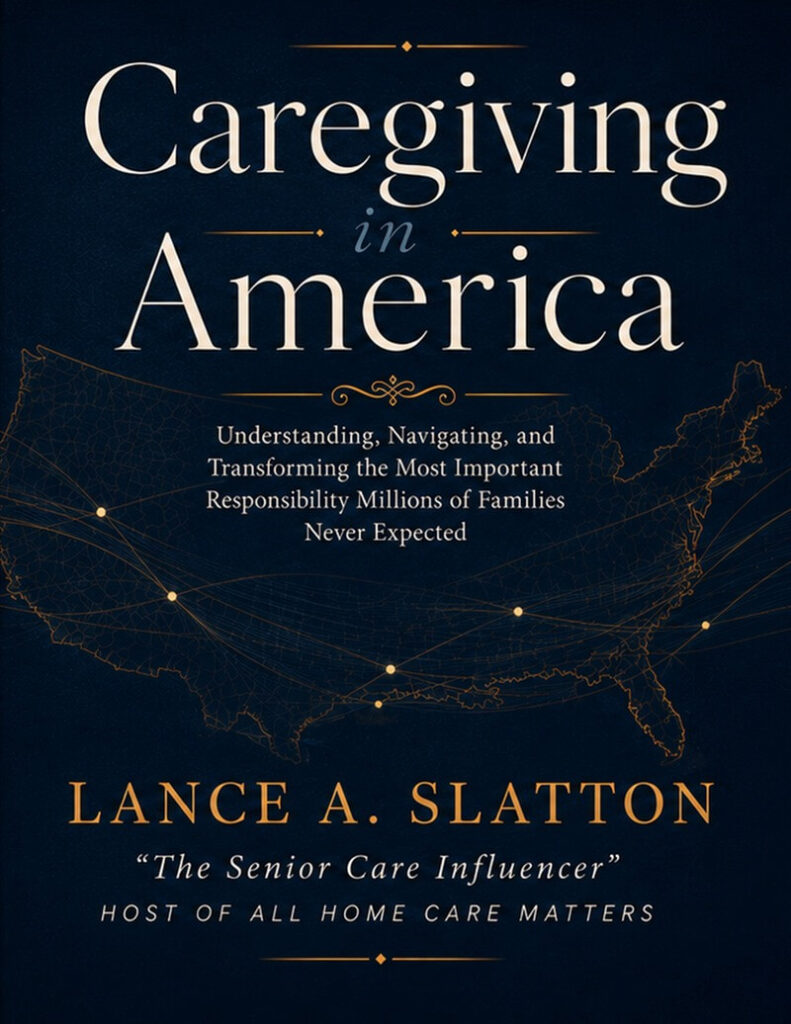
Lance A. Slatton’s caregiving journey helped shape Caregiving in America, a practical guide for families navigating responsibilities they may never have expected. The book addresses caregiver well-being and burnout alongside medical coordination, dementia care, financial questions, and family dynamics. Its worksheets, checklists, and self-assessments are intended to help turn overwhelming decisions into manageable next steps.
Learn more about the book at https://caregivinginamericabook.com/the-book/. The central message is simple: protecting the caregiver’s health is part of protecting the person who needs care.
Sources and further reading
National Institute on Aging, caregiving resources: https://www.nia.nih.gov/health/caregiving
988 Suicide & Crisis Lifeline: https://988lifeline.org/
Eldercare Locator: https://eldercare.acl.gov/
Educational information only; not a diagnosis or substitute for individualized medical or mental-health advice.